
The Tempting Shortcut
A tree limb comes down in a late-season storm, or someone clips the door backing out of the garage, and suddenly one panel is dented, cracked, or bowed. The instinct is almost always the same: replace just that panel and leave the rest of the door alone. It feels like the obvious cheap fix. The door still opens and closes, the damage looks contained, and swapping one section seems faster than tearing out the whole unit.
Sometimes that instinct is right. But on garage doors that have been through a few years of coastal humidity, salt air, and hurricane season wind, a single damaged panel is often a symptom, not the whole story. Before you order a replacement panel, it's worth looking at what you're actually choosing between.
Panel Replacement: What You're Really Getting
- Cost: Usually the cheaper option up front, since you're paying for one section instead of a full door and track system.
- Speed: A single panel swap can often be done in one visit if the part is in stock.
- Risk of mismatch: Paint fades and finishes weather differently over time, especially with direct sun and salt exposure near the coast. A new panel next to older ones can look noticeably different in color or sheen.
- Availability: Doors more than ten or fifteen years old may use a panel profile the manufacturer no longer makes, which turns a simple repair into a hunt for a close-enough match.
- Structural limits: If the damage affected the hinges, rollers, or the track alignment, a cosmetic panel swap won't fix the underlying mechanical issue.
Full Door Replacement: The Other Side of the Trade
- Cost: Higher upfront investment, typically running from the low thousands to several thousand dollars depending on material, size, and insulation — a wide national range, so get a specific quote for your door.
- Uniform appearance: Everything matches, which matters more than people expect once a mismatched panel is staring back at you every day.
- Wind-load compliance: This region's building codes call for doors rated to withstand hurricane-force wind loads. A door engineered and rated as a complete unit may not carry the same rating once one panel is a different age, material batch, or reinforcement spec than the rest.
- Corrosion reset: If the rest of the door has rust spots, swollen seams from humidity, or weakened hardware, replacement clears all of it out at once instead of leaving older, weaker sections in service.
- Long-term value: A full door resets the warranty clock and the maintenance clock together, rather than having one new panel and several aging ones on different timelines.
What Actually Tips the Decision
For a lot of homes along 30A, the honest answer depends on the door's age and condition, not just the size of the dent. A door that's five years old, otherwise rust-free, and has one clean panel ding from a minor impact is usually a fine candidate for a panel swap. The hardware is still sound, the finish hasn't faded much, and the wind-load rating of the original installation is still intact across the rest of the door.
A door that's pushing ten-plus years, already shows surface rust around the bottom panels from salt air, or has had the opener strain to lift it, is a different situation. Patching one panel on a door that's already fighting corrosion and wear elsewhere usually means paying for a repair now and a replacement again within a couple of years. In storm-prone areas, it also raises a real question about whether the repaired door still meets the wind-load rating it was originally built to — mixing an old panel system with new hardware isn't always a given yes.
As a rule of thumb for this area: if more than one panel is damaged, if the door is older than roughly a decade, or if you're already seeing rust or swelling on other sections, full replacement tends to be the better long-term move. If it's a single clean impact on a newer door with no other issues, panel replacement is the practical, lower-cost call.
When to Call Inlet Beach Overhead Garage Door
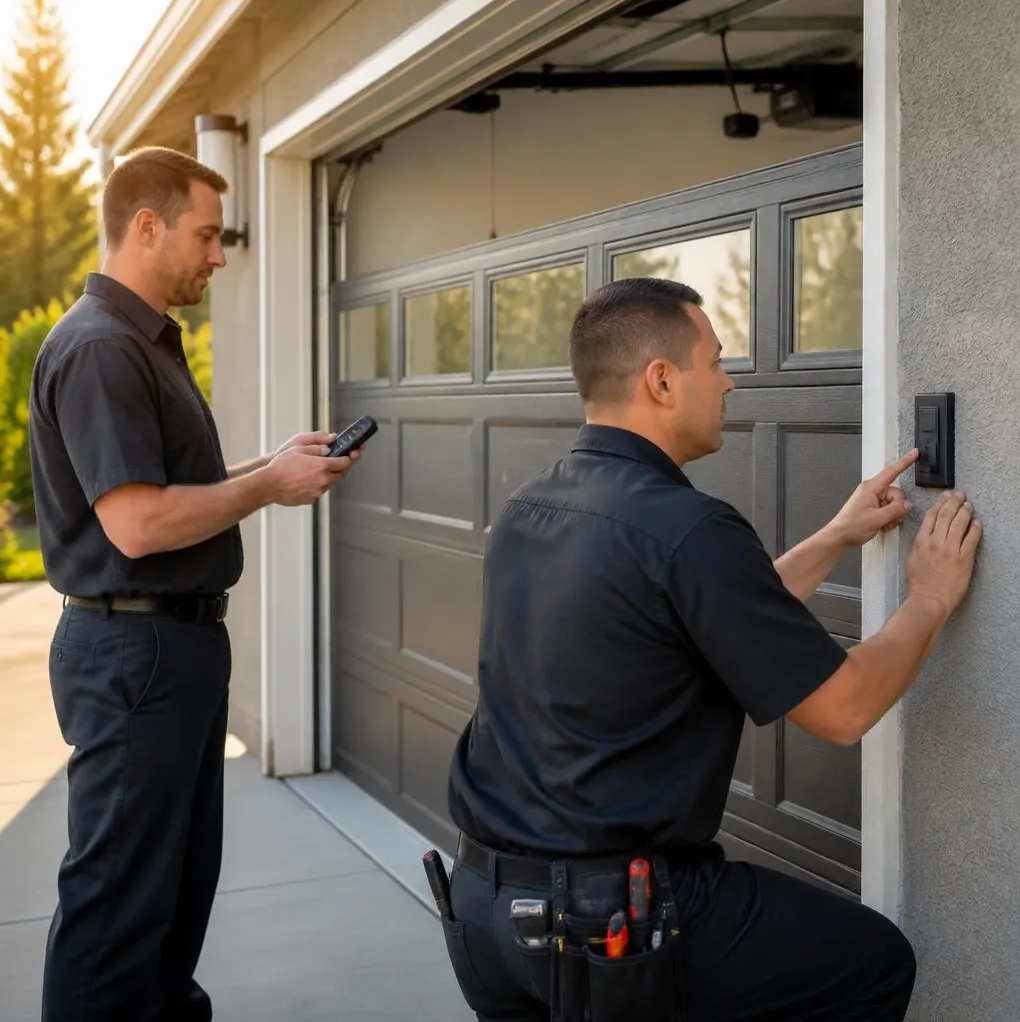
If you're staring at a dented panel and not sure which category your door falls into, that's exactly the call to make before buying parts. We'll inspect the full door — hinges, rollers, track alignment, and overall corrosion — not just the damaged section, and give you a straight answer on whether Garage Door Repair with a panel swap makes sense or whether Garage Door Installation is the smarter long-term investment given the door's age and condition. We'll also flag any wind-load concerns before hurricane season rolls around again, not after.
If you've got a damaged panel anywhere from Inlet Beach to Rosemary Beach or Santa Rosa Beach, call Inlet Beach Overhead Garage Door for an honest assessment and a straight recommendation — no guesswork, no upselling.